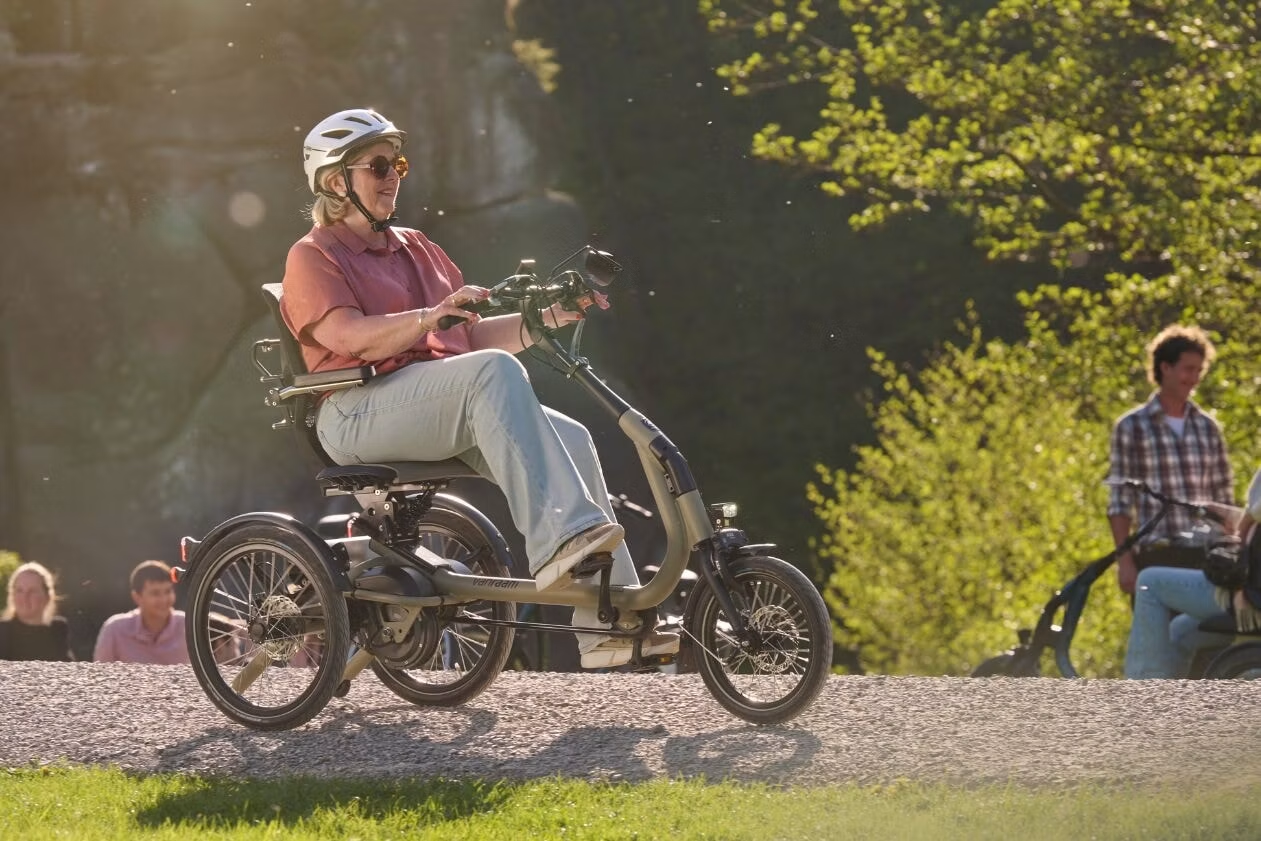
Adult tricycles for balance difficulties: How to choose the right one
If you've always enjoyed cycling but are finding it harder to balance on two wheels, you may be wondering how you can continue riding. Perhaps you're less comfortable stopping at junctions, find getting on and off your bicycle more difficult, or simply want a little more support without giving up an activity you enjoy.
An adult tricycle could provide an alternative, whether you're experiencing changes in your mobility, returning to cycling after an injury or illness, or looking for a different way to get around. With three wheels rather than two, a tricycle reduces the need to balance the cycle yourself, but the range of designs available means the experience can be very different from one model to another.
At Bikeworks, we work with people who have different abilities, experiences and ambitions for cycling. One of the most important considerations when choosing a specialist cycle is not simply whether someone can ride it, but whether they can use it comfortably and confidently in the places they actually want to go.
Is an adult tricycle a good option for balance problems?
For someone who finds balancing a conventional bicycle difficult, an adult tricycle is certainly worth exploring. Its three wheels support the cycle when stationary, removing the need to put a foot down to balance it when stopping.
However, three wheels do not automatically make every tricycle easier to ride. Unlike a two-wheeled bicycle, which leans into corners, a conventional tricycle remains more upright, and the rider must become familiar with how it steers and handles. Cornering, uneven surfaces and paths that slope sideways can all feel different, particularly for someone who has spent years cycling on two wheels.
There is also the question of how the rider gets onto the cycle, where their weight is positioned and what seating support they need. These factors help explain why someone who feels uncomfortable on one model may find a very different experience on another.
Which type of adult tricycle might suit you?
The three broad designs worth exploring are upright, seated and recumbent tricycles. Each offers a different way to ride, and the most suitable choice depends on your comfort, mobility and the journeys you want to make.
Upright tricycles: Keeping a familiar riding position
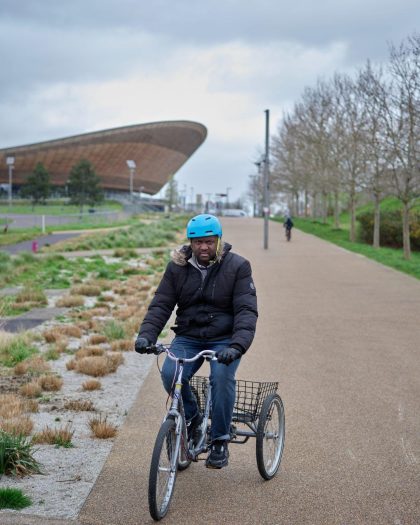
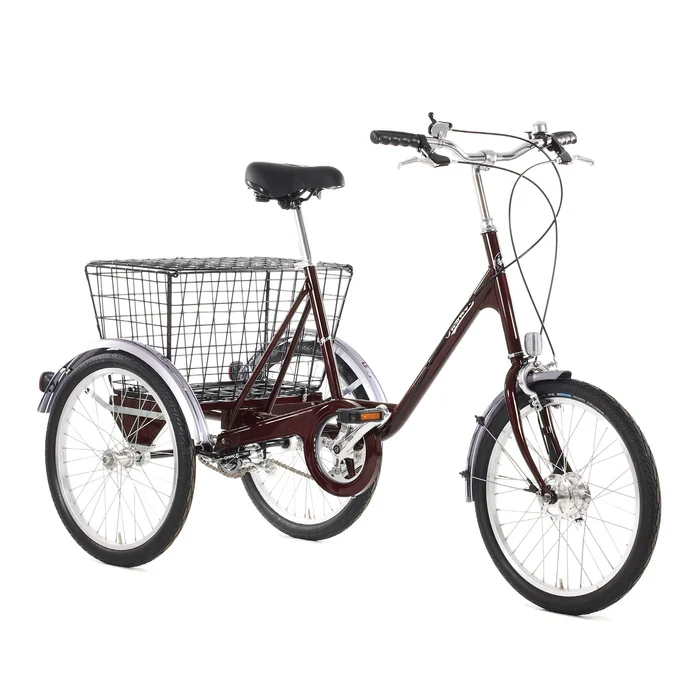
An upright tricycle retains many of the features of a conventional bicycle, including a saddle, handlebars and an upright riding position. The Pashley Picador is one example, offering a traditional design that may appeal to someone who wants a three-wheeled cycle for shopping, leisure or local journeys.
For riders who are comfortable on a conventional saddle and prefer a familiar cycling position, this type of tricycle may be a sensible starting point. However, if getting onto a saddle is difficult or additional back support would be helpful, a different design may be worth considering.
Seated tricycles: A different kind of comfort and support
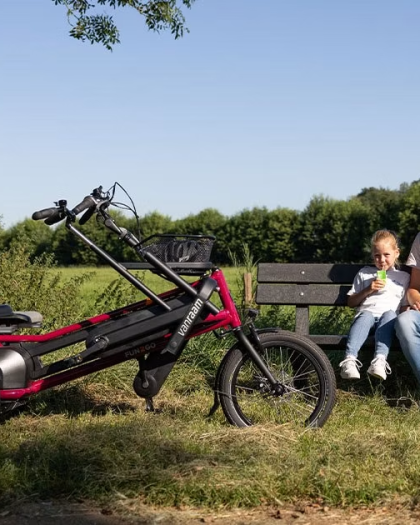
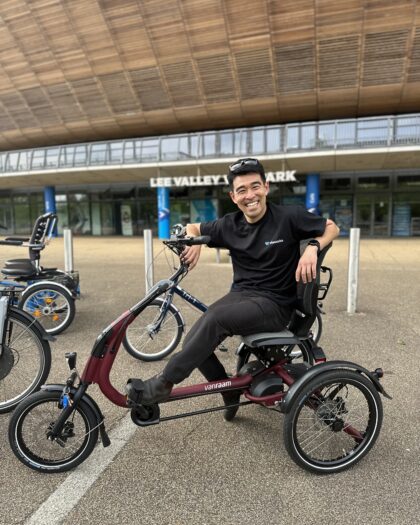
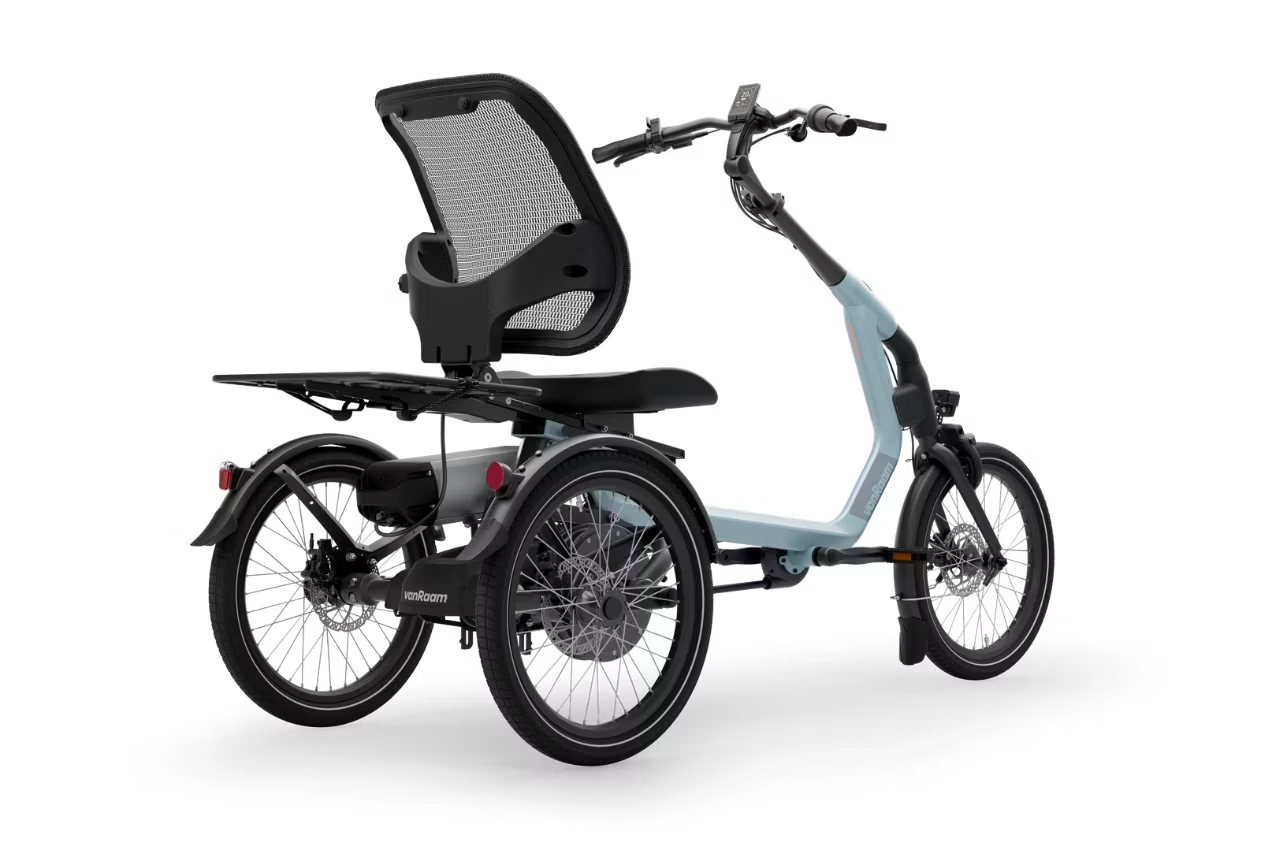
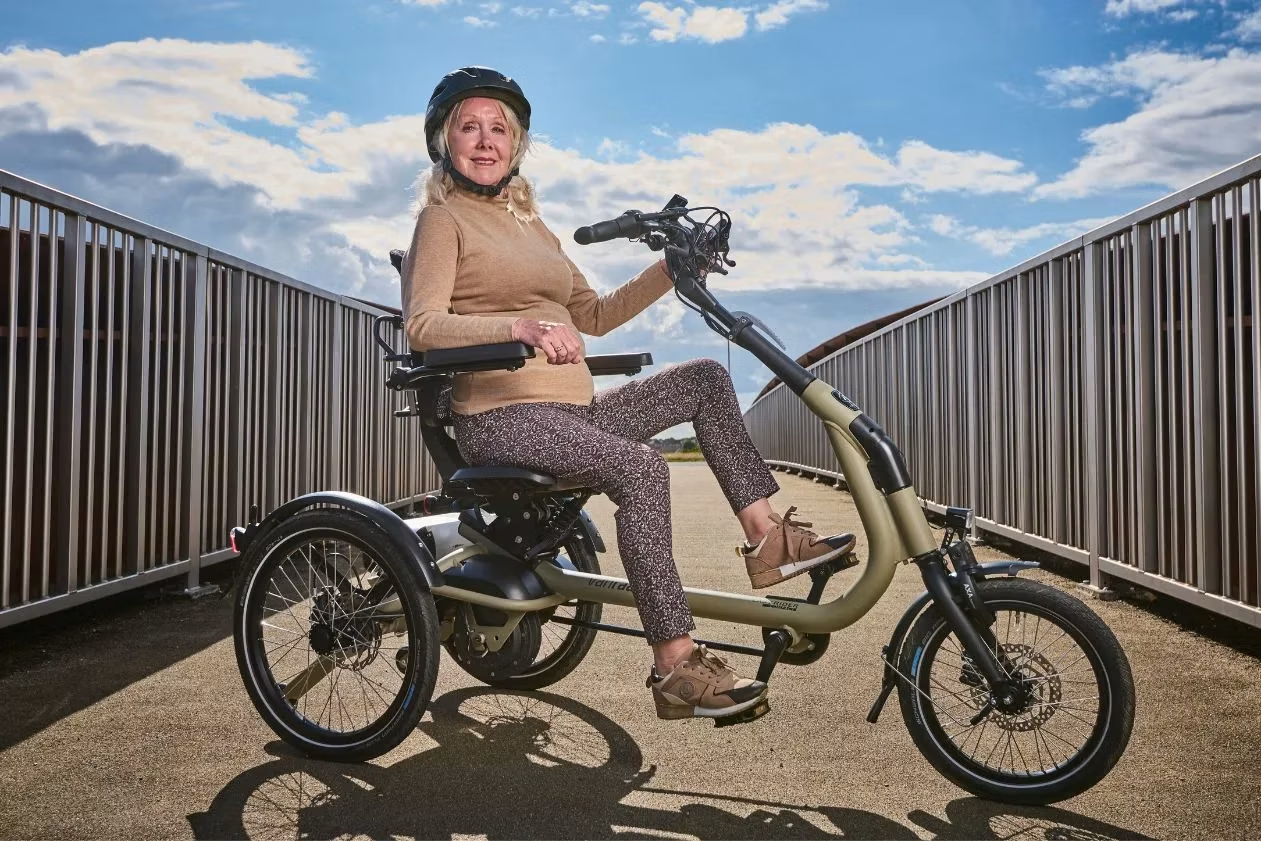
The Van Raam Easy Rider offers a noticeably different experience, with a low-entry frame, supportive seat and adjustable backrest. Rather than sitting on a conventional saddle, the rider sits in a more supported position with the pedals further forward.
This design may appeal to people who prefer greater seating comfort, find a traditional bicycle saddle unsuitable or want a lower riding position. The Easy Rider Compact offers a similar approach in a smaller frame, which can be useful when considering the rider's height and proportions.
Although both models share a similar design, their dimensions and seating arrangements differ, making it important to try an appropriately sized cycle rather than choosing solely on appearance.
Recumbent tricycles: A different way to enjoy longer rides
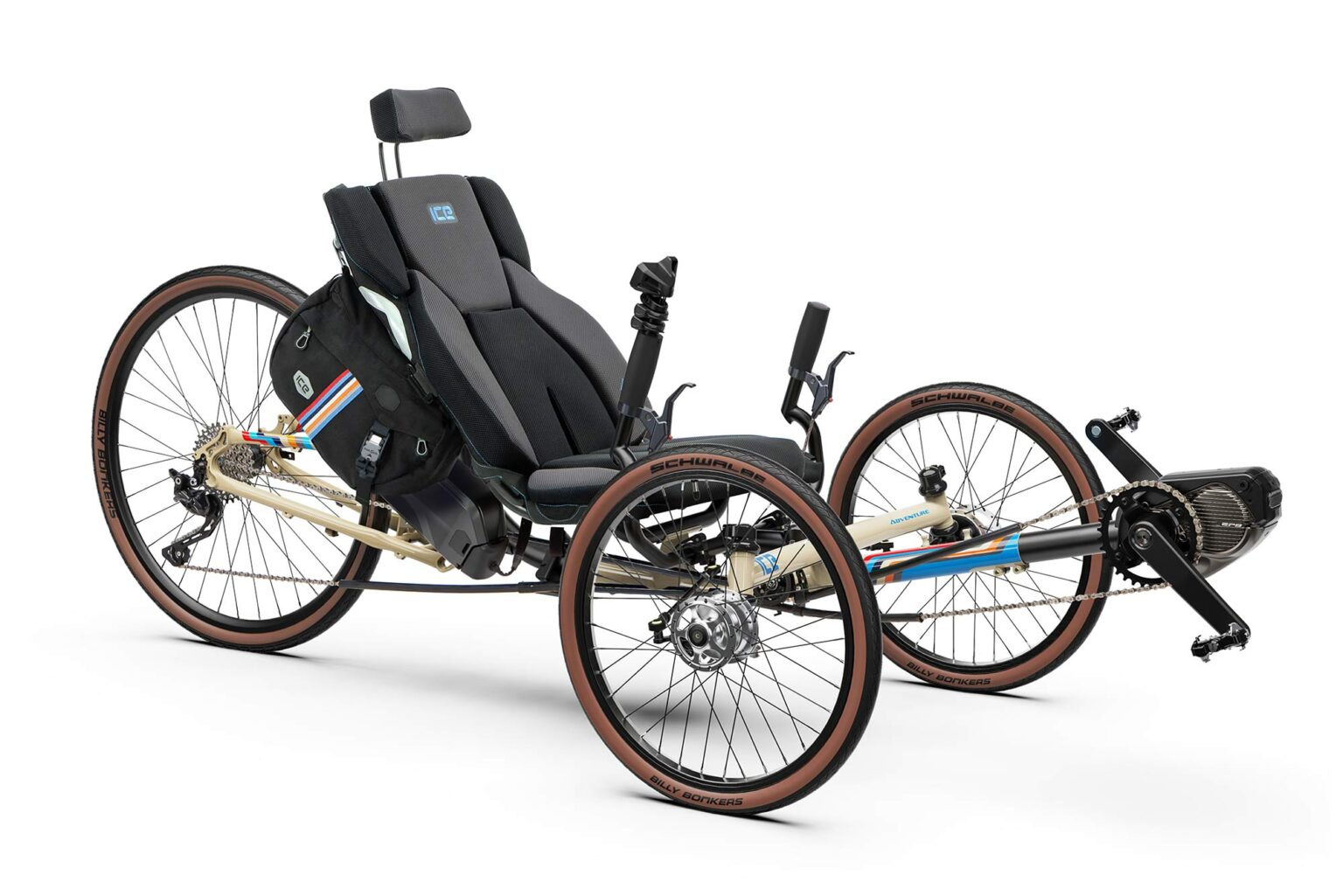
Recumbent tricycles place the rider in a more reclined position, with the legs extending towards the pedals. They are often considered by people interested in leisure cycling, exploring longer routes or finding a different combination of seating comfort and riding performance.
The ICE Adventure is an example of this type of cycle, with adjustable seating and options designed for different riding preferences. It may appeal to someone who wants to continue enjoying longer cycling journeys, although accessing a lower seat and getting out of it comfortably are important considerations.
This is one area where comparing cycles in person can reveal differences that aren't obvious from product photographs. A rider may enjoy the position of a recumbent tricycle once seated but find that a higher seat makes independent access considerably easier.
What should you consider before buying?
Finding the right tricycle involves thinking beyond the initial test ride. How easily can you get on and off, how comfortable do you feel steering and braking, and what happens when you need to stop or manoeuvre the cycle in a confined space?
The routes you want to use also matter. If you're hoping to cycle to the shops, visit friends or use local paths, it's worth considering gradients, barriers, surfaces and the space available for turning. A tricycle's width and overall dimensions can influence which routes are practical, just as they affect whether the cycle will fit through your garden gate or into its intended storage space.
Electric assistance may be useful if hills, longer distances or fatigue are concerns. It can make pedalling less demanding, but it doesn't change the need to control the cycle or ensure that the seating and design are suitable.
Thinking about all these aspects together makes it easier to find a cycle that will become part of your everyday life, rather than one that feels promising during a short ride but proves difficult to use regularly.
Why compare adult tricycles before purchasing?
There is no single adult tricycle that suits everyone experiencing balance difficulties. Someone who wants a familiar upright position may be happiest with a traditional tricycle, while another rider may value the support of an Easy Rider or the riding experience of a recumbent model.
At Bikeworks, our specialist knowledge comes from helping people access cycling in many different circumstances, alongside working with specialist cycle manufacturers and supporting customers through the purchasing process. This means considering the relationship between the rider, the cycle and the environment in which it will be used, rather than recommending a model solely because it is described as suitable for a particular condition.
A test ride provides an opportunity to explore those differences, experience how the cycles handle and understand which adjustments or features genuinely matter before committing to a purchase.
Explore adult tricycles at Bikeworks in London
Our specialist cycle showroom is based at Queen Elizabeth Olympic Park in Stratford, East London, where we can help you explore adult tricycles from manufacturers including Pashley, Van Raam and ICE Trikes.
Whether you're choosing a tricycle for yourself or helping a family member explore the options, we can discuss suitable designs, available adaptations and test-ride arrangements. We can also help you understand the price differences between models, including the cost of electric assistance.
You can explore the Bikeworks specialist cycle range or contact our retail team to arrange a test ride and discuss what you would like to achieve through cycling.