Buying an adapted cycle for a care home or supported-living service: What should you consider?
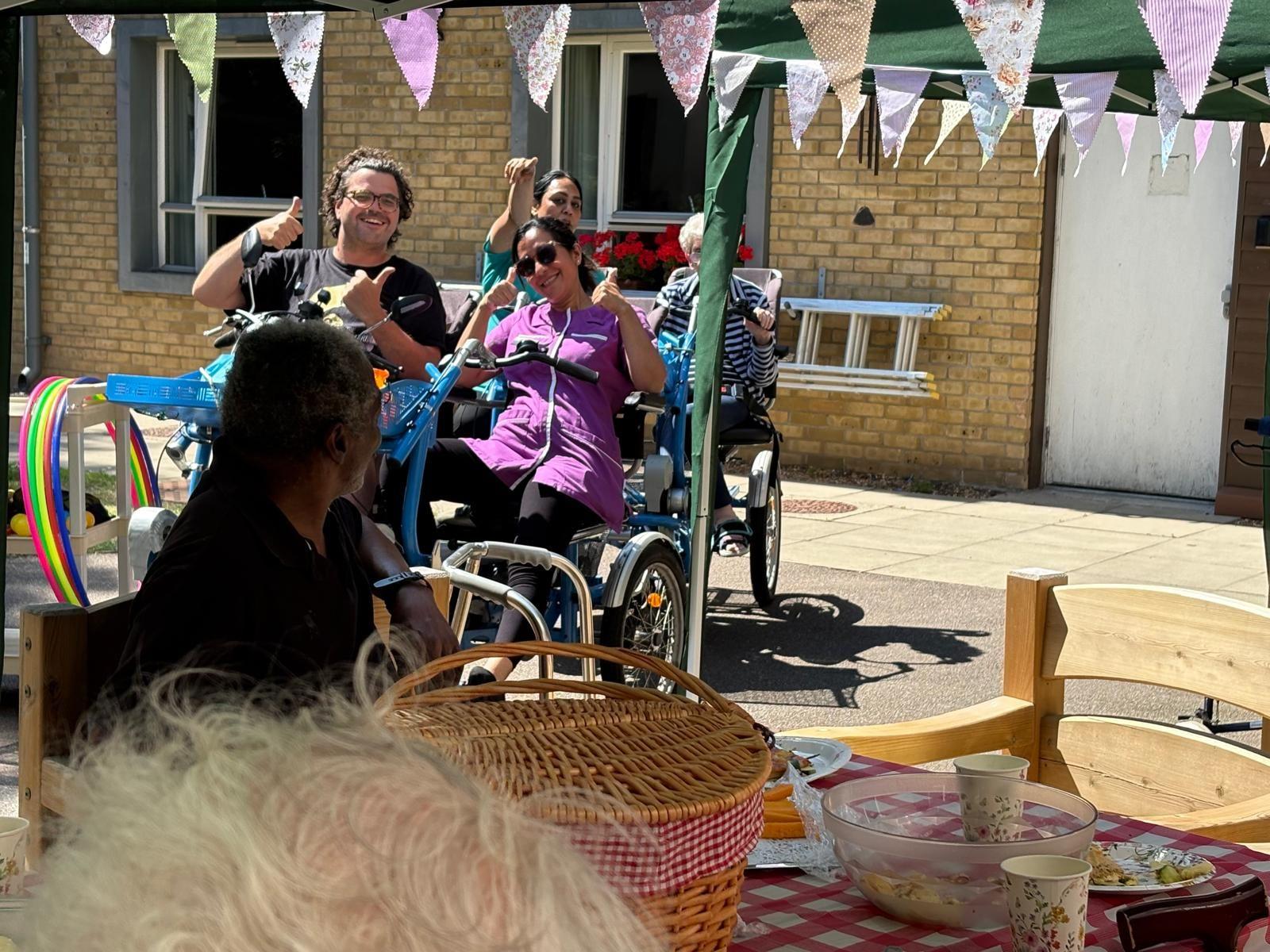
For care homes and supported-living services, specialist cycles can offer residents opportunities to enjoy the outdoors, take part in physical activity and spend time with others, including people who can no longer ride a conventional bicycle independently.
There are several cycles designed specifically for accompanied riding, but choosing between them isn't always straightforward. A side-by-side tandem may work well for one group of residents, while a wheelchair transport cycle could be more appropriate for another.
When purchasing a cycle for an organisation, the most important decision is not necessarily which model offers the most features, but which cycle people will be able to use comfortably, safely and regularly. Getting this right can make a considerable difference to the value of the investment.
At Bikeworks, our experience of providing inclusive cycling activities and supporting organisations with specialist cycle selection gives us an understanding of both the equipment available and the practical arrangements needed to make cycling work.
Which adapted cycles are suitable for care homes?
The first consideration is how residents will participate. Some may enjoy pedalling alongside another person, while others may prefer to travel as passengers or need to remain in their own wheelchair.
Three specialist cycles from the Van Raam range illustrate the different possibilities.
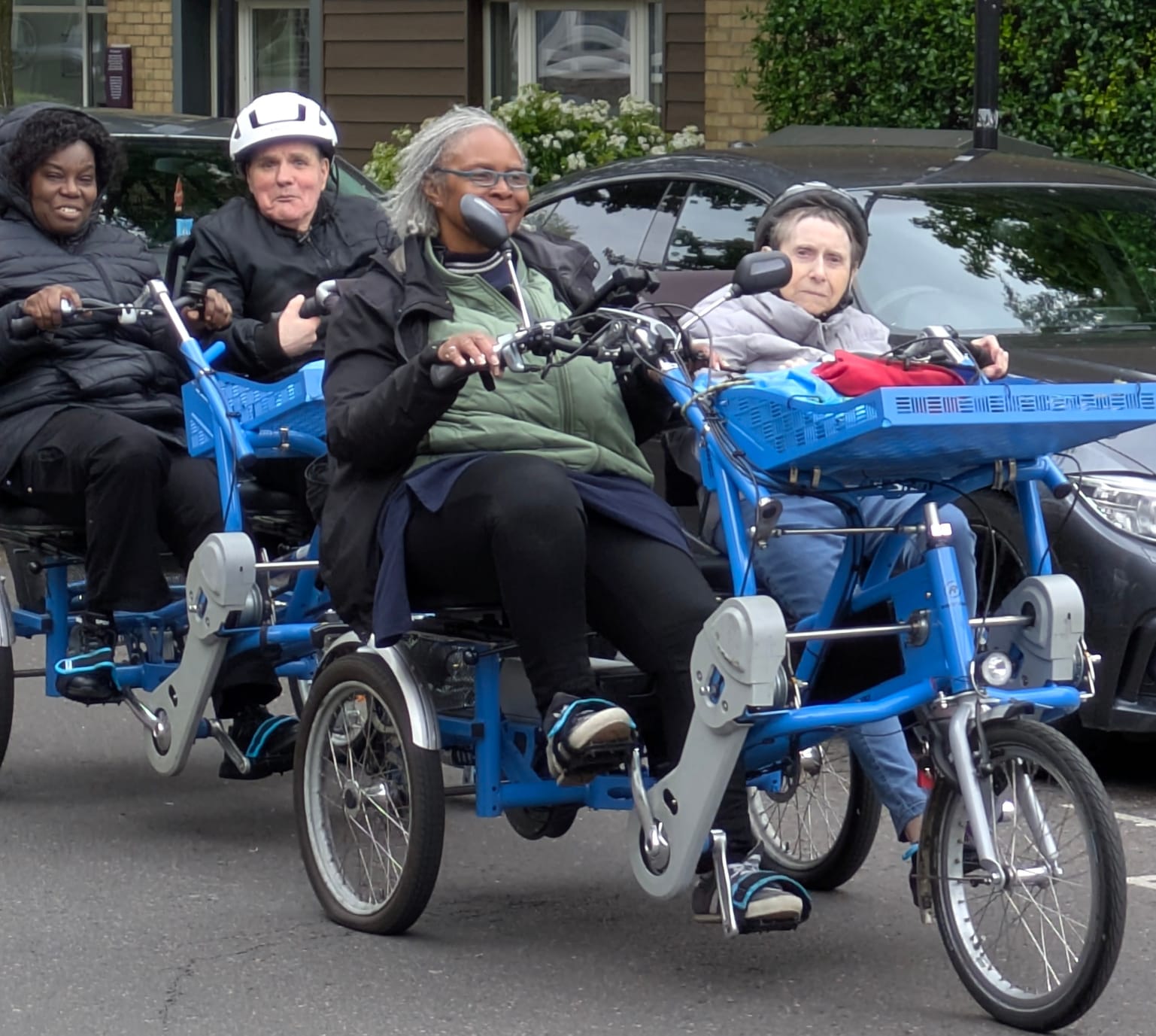
Van Raam Fun2Go: For cycling together, side by side
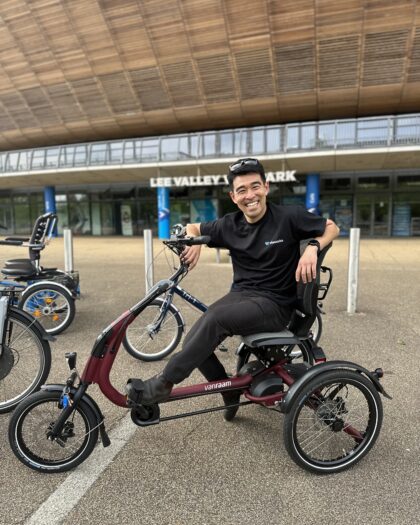
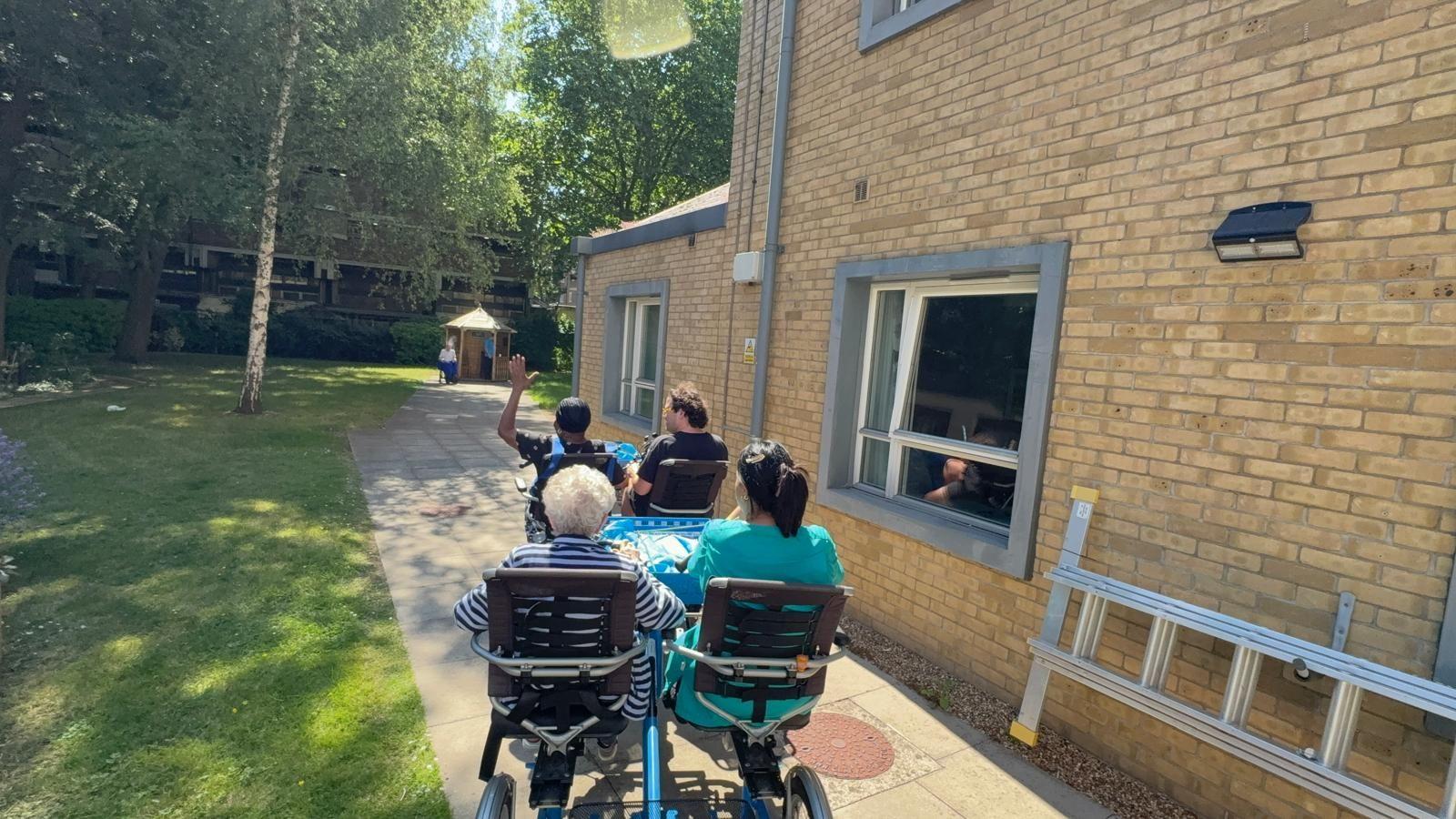
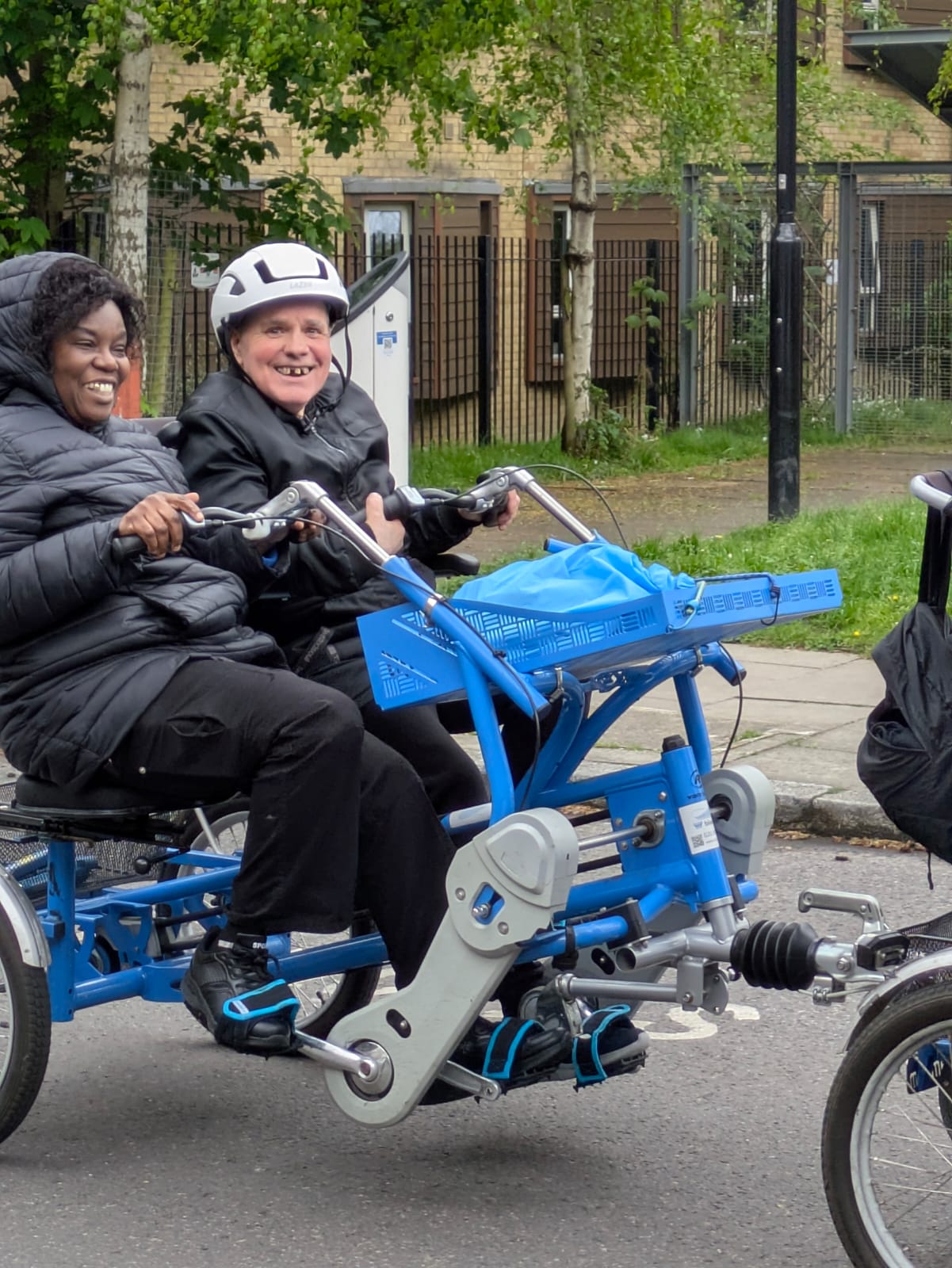
The Van Raam Fun2Go allows two people to sit alongside each other, with one person responsible for steering and braking. Depending on the configuration, both riders can contribute to pedalling, or the passenger can enjoy the journey without having to propel the cycle.
The side-by-side arrangement makes conversation easy and allows both people to share the experience of cycling. This may appeal to residents who want to remain involved in physical activity, enjoy accompanied journeys or simply spend time outdoors with a member of staff, volunteer or family member.
The Fun2Go is currently advertised by Bikeworks from £5,500, before any additional options or adaptations.
Van Raam O-Pair: For passengers who need a supportive seat
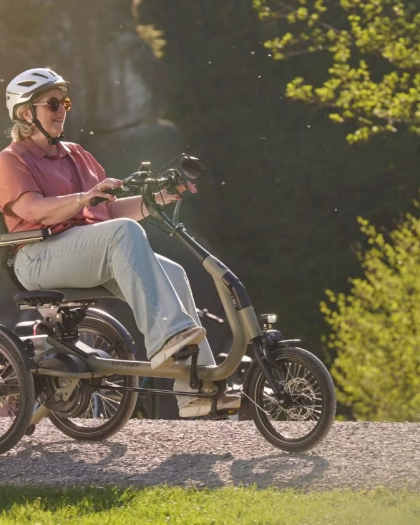
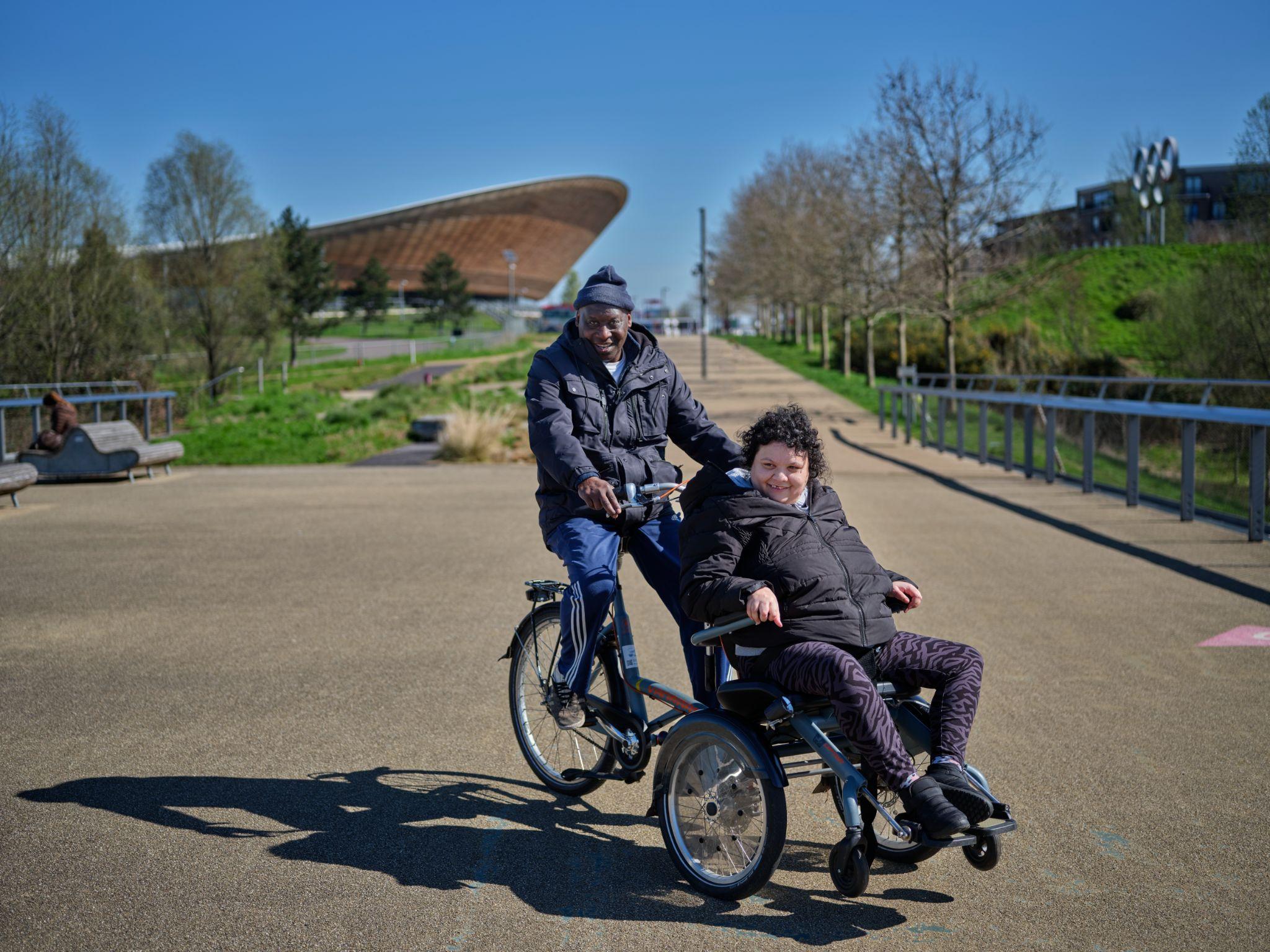
The Van Raam O-Pair has a dedicated passenger seat at the front, with the accompanying rider pedalling and steering from behind.
It offers a different approach from the Fun2Go because the passenger is not expected to pedal and can use a seat designed to provide additional support. This may be appropriate for residents who want to enjoy cycling outings but require more assistance with their seating and positioning.
The passenger needs to transfer into the cycle's seat, so their ability to do this comfortably, along with any support they require, should be considered before choosing the O-Pair.
Bikeworks currently advertises the O-Pair from £4,500.
Van Raam VeloPlus: For residents who remain in their wheelchair
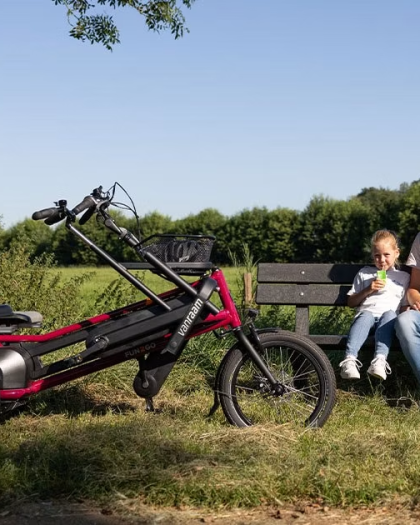
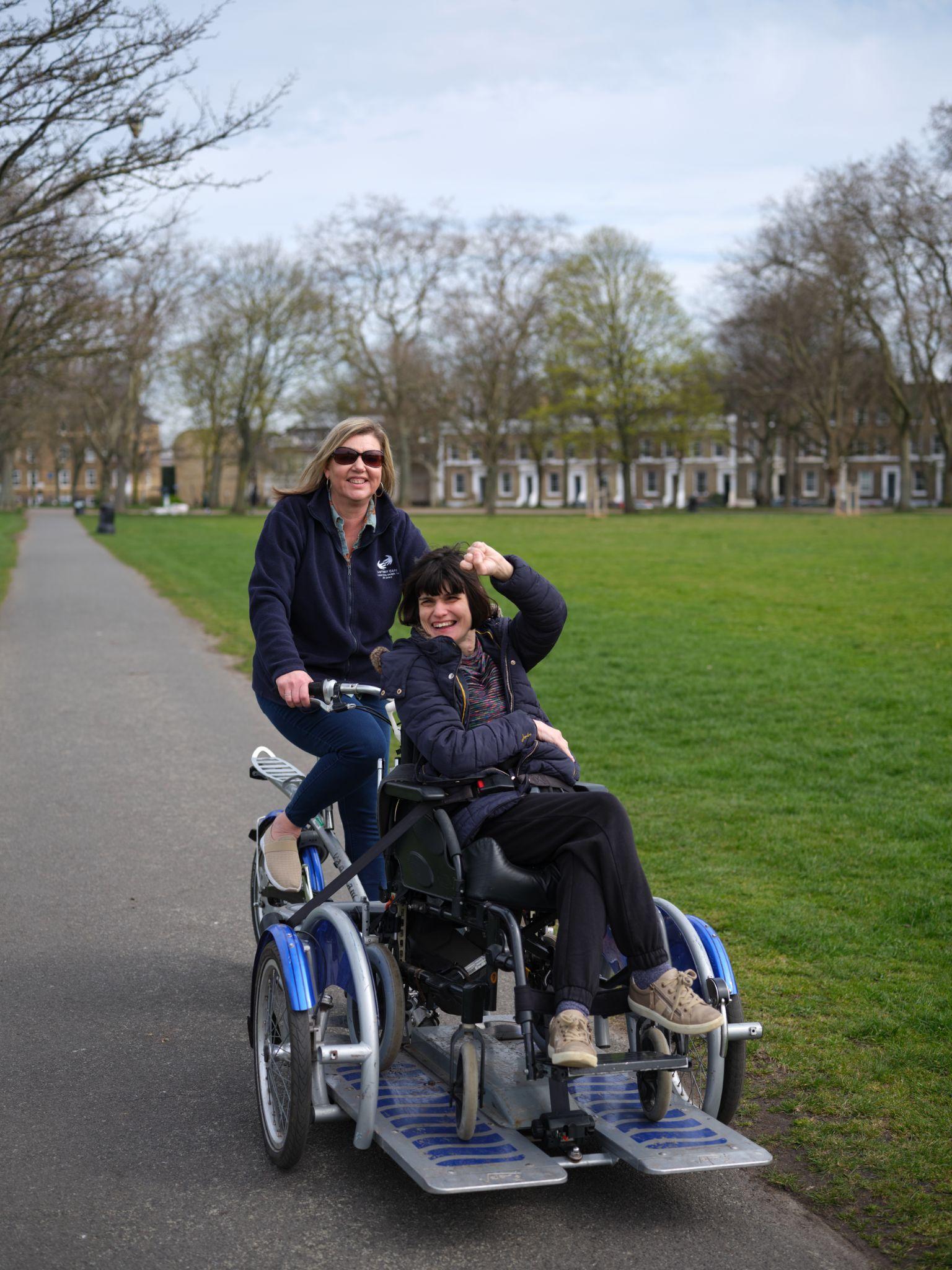
The Van Raam VeloPlus is designed to carry a passenger while they remain seated in their own compatible wheelchair.
Unlike the O-Pair, the VeloPlus has a platform onto which the wheelchair can be positioned and secured, removing the need to transfer into a separate seat. This can be particularly relevant for services supporting people for whom transferring would be difficult or unsuitable.
Compatibility must be checked carefully, including wheelchair dimensions, weight and securing arrangements. The VeloPlus is currently advertised by Bikeworks from £5,500.
How do you decide which cycle to purchase?
Although these cycles all enable accompanied cycling, they aren't interchangeable. Selecting the right model requires an understanding of the residents who will use it and how cycling will be organised.
A service supporting residents who can transfer comfortably and would enjoy pedalling may find that a Fun2Go offers the kind of shared activity it wants to introduce. Where passengers need more seating support, an O-Pair may be worth exploring, while a VeloPlus offers a different solution for people who need to remain in their own wheelchairs.
If the cycle will be shared between residents, consider the range of seating, support and access requirements across the group. Adjustable features can make a cycle suitable for different people, but no single design should be assumed to accommodate every resident.
It is also worth involving the people who will use and operate the cycle in the selection process. Their preferences, confidence and practical experience can help identify issues that may not be obvious when comparing product specifications.
What should a care home consider beyond the purchase price?
For organisational buyers, the cost of a specialist cycle is only one part of the investment. How the cycle will be used, who will operate it and how it will be maintained are equally important considerations.
Staff and volunteers need appropriate familiarisation and operating procedures, including understanding how to support passengers, check equipment and make decisions about suitable routes and conditions. Organisations should also consider how cycling activities will be coordinated so that opportunities do not depend entirely on the availability of one member of staff.
Storage and routes need particular attention. Specialist passenger cycles are often larger and wider than conventional bicycles, so access through gates and entrances, available turning space, suitable surfaces and secure storage all influence whether a purchase will be practical.
Routine maintenance and servicing should also be planned from the outset. A cycle that is difficult to store, uncomfortable to operate or frequently unavailable for use is unlikely to deliver the value an organisation originally intended.
These are the kinds of practical considerations that should inform both the purchasing decision and the specification of the cycle.
Why Bikeworks looks beyond the cycle itself
Our experience of inclusive cycling has shown us that purchasing specialist equipment is only part of making cycling accessible. The equipment also needs to reflect the people who will use it, the environment in which it will operate and the support available around it.
This was illustrated through our work with Ashburnham Community Primary School, where Bikeworks reviewed an existing cycle fleet to consider its condition, suitability and how well it met pupils' changing needs. The work helped the school identify where equipment needed to be updated and how the fleet could be used more effectively.
Although a school has different requirements from a care home, the purchasing principle is the same: understanding the intended users and how the equipment will be used is essential to making a worthwhile investment.
You can read more about Bikeworks' approach to reviewing inclusive cycle fleets.
Explore adapted cycles for your care home or organisation
Bikeworks supplies specialist cycles to individuals and organisations, drawing on our retail knowledge and experience of delivering inclusive cycling activities.
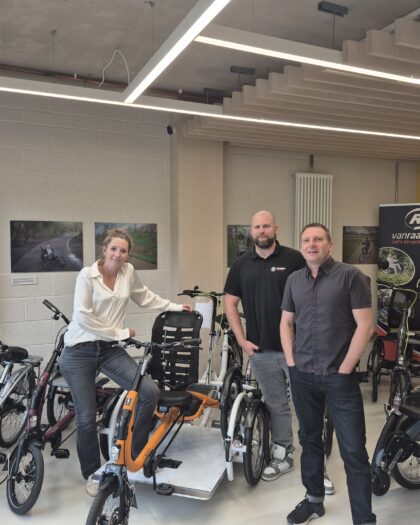
Our specialist cycle showroom is based at Queen Elizabeth Olympic Park in Stratford, East London, where we can help organisations explore different cycle designs, discuss intended use and consider suitable specifications.
If you're planning to purchase a specialist cycle for a care home, supported-living service or community organisation, we can help you compare the options and obtain a quotation that reflects your intended users and requirements.
Contact the Bikeworks retail team to discuss your organisation's cycling requirements and specialist cycle purchasing options.